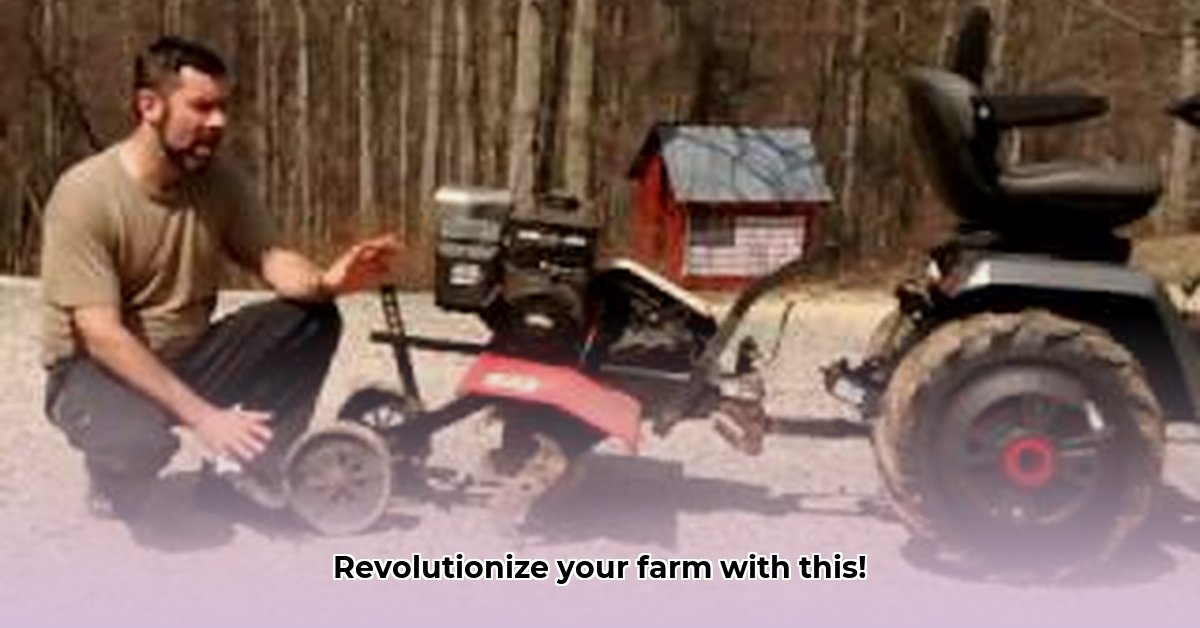
Choosing the right pull-behind rototiller is crucial for efficient and sustainable farming. This guide helps you select, use, and maintain the ideal tiller for your operation, regardless of farm size. For more detailed information, see our comprehensive guide on tractor rototilling.
Understanding Your Farming Needs: A Pre-Purchase Checklist
Before you begin comparing models, assess your specific requirements. This pre-purchase planning ensures you choose a rototiller optimized for your farm.
Soil Type Analysis: A Foundation for Success
Your soil type significantly impacts tiller selection. Heavy clay soils require powerful, heavy-duty tillers (think muscle cars!), while lighter, sandy soils can be effectively managed with lighter-duty models. Consider soil texture and drainage properties—this information will guide your choice.
Farm Size Assessment: Matching Power to Scale
The size of your land dictates the tiller’s required power and working width. A small backyard garden needs a compact, maneuverable tiller, whereas large farms benefit from wider, more powerful models for efficient coverage. Accurate measurement of your farming area is essential.
Tractor Compatibility: HP and Hitch Matters
Check your tractor's horsepower (HP) rating. Mismatched tiller and tractor HP leads to inefficiency or worse, breakdowns. Your tiller's HP requirements must align with your tractor's capabilities. Also verify hitch compatibility to ensure safe and secure attachment.
Budgetary Considerations: Balancing Cost and Value
Rototillers range widely in price. Establish a clear budget that accounts for initial purchase, maintenance, and potential repairs. Remember, a higher upfront cost may translate to longer-term durability and lower overall expenses. Prioritize value over purely low cost.
Types of Pull-Behind Rototillers: A Comparative Overview
Various rototiller types cater to different needs. Understanding these differences is crucial for making an informed decision.
Heavy-Duty Rototillers: For the Largest Operations
Designed for large-scale operations and heavy, compacted soils, these are the workhorses of the tilling world. They demand powerful tractors but provide exceptional performance and durability. These are ideal for extensive acreage and challenging soil conditions.
Light-Duty Cultivators: Ideal for Smaller Gardens and Hobby Farms
Perfect for smaller plots and lighter soils, these are more manageable and require less powerful tractors—making them a budget-friendly choice for limited operations. Their ease of use and reduced power requirements make them perfect for smaller gardens.
Specialized Rototillers: Addressing Specific Needs
Some tillers possess specialized features to address unique soil types or farming goals. These may include variable tilling depth, specialized tine configurations, or features to minimize soil compaction. Research options for customized tillage solutions.
Key Features to Prioritize: Maximizing Efficiency and Longevity
Several key features directly influence a tiller’s performance and lifespan. Pay close attention to these features during your comparison.
Tine Design: The Heart of Soil Tillage
Tine design significantly impacts tillage efficiency. Bolo tines are gentler, minimizing soil disruption, while shovel tines are ideal for tough, compacted soils. Selecting the correct tine type for your conditions is essential for successful tilling.
Engine Power (Tractor HP): Achieving Optimal Balance
Always match your tractor's HP rating with the tiller's requirements. Underpowering leads to poor performance, while overpowering is costly and unnecessary. A balanced approach ensures efficient and effective tilling. How many HP do you really need for your operation?
Working Width: Optimizing Coverage and Maneuverability
The tiller's width dictates the area covered per pass. Wider tillers are faster but can be less maneuverable in tight spaces. Consider your land’s geometry—wider isn't always better.
Depth Adjustment: Tailoring Tillage to Soil Conditions
Adjustable tilling depth allows customization for different conditions. Shallow tilling preserves soil structure and reduces erosion; deeper tilling may be needed for weed control or aeration. This flexibility optimizes soil health and reduces soil disturbance.
Decision Time: A Side-by-Side Comparison
This table summarizes the key differences between heavy-duty and light-duty rototillers, helping you make an informed decision.
| Feature | Heavy-Duty Tiller | Light-Duty Cultivator |
|---|---|---|
| Best for | Large farms, heavy clay soils | Small gardens, light soils |
| Tractor HP | High (50 HP and above, typically) | Lower (20-40 HP, typically) |
| Cost | Higher initial investment | Lower initial investment |
| Maintenance | More intensive | Less intensive |
| Durability | Generally very durable | Moderate durability |
| Maneuverability | Can be challenging in tight spaces | Generally more maneuverable |
Maintenance and Safety: Ensuring Safe and Efficient Operation
Regular maintenance is crucial for longevity and safety.
- Regular Inspections: Inspect tines, belts, and other components for wear and tear.
- Lubrication: Lubricate moving parts as recommended by the manufacturer.
- Safe Operation: Always engage the PTO (power takeoff) slowly and cautiously. Be aware of your surroundings and avoid obstacles.
Sustainable Tilling Practices: Minimizing Environmental Impact
While tilling is often necessary, minimizing tillage is beneficial for soil health, reducing erosion, and conserving water. Explore no-till or reduced-tillage farming methods to enhance sustainability. Your rototiller should be a tool used strategically, not indiscriminately. Are you considering reduced-tillage methods to enhance soil health?
Choosing the right rototiller is a significant investment. This guide provides a framework for making an informed decision, ensuring your tiller optimizes your farm's efficiency and promotes sustainable farming practices for years to come. Remember to thoroughly research specific models and compare their specifications before making a purchase.